
The price is driven by a few big factors
Custom closet pricing depends mostly on the size of the cabinet runs (usually measured in linear feet), the materials, the number of drawers and the extras you choose. Two closets of the same size can differ a lot in price when one uses melamine with a few drawers and the other uses real wood veneer with glass fronts and an island.
That is why a good company gives you a written, itemized quote after measuring, and why online price lists are only a starting point.
Think of the price as a recipe with a few big ingredients. If a quote seems very high or very low, ask which ingredient is different: more linear feet, a more expensive material, extra drawers or added features. That conversation tells you far more than the bottom-line number.
Materials set the tone
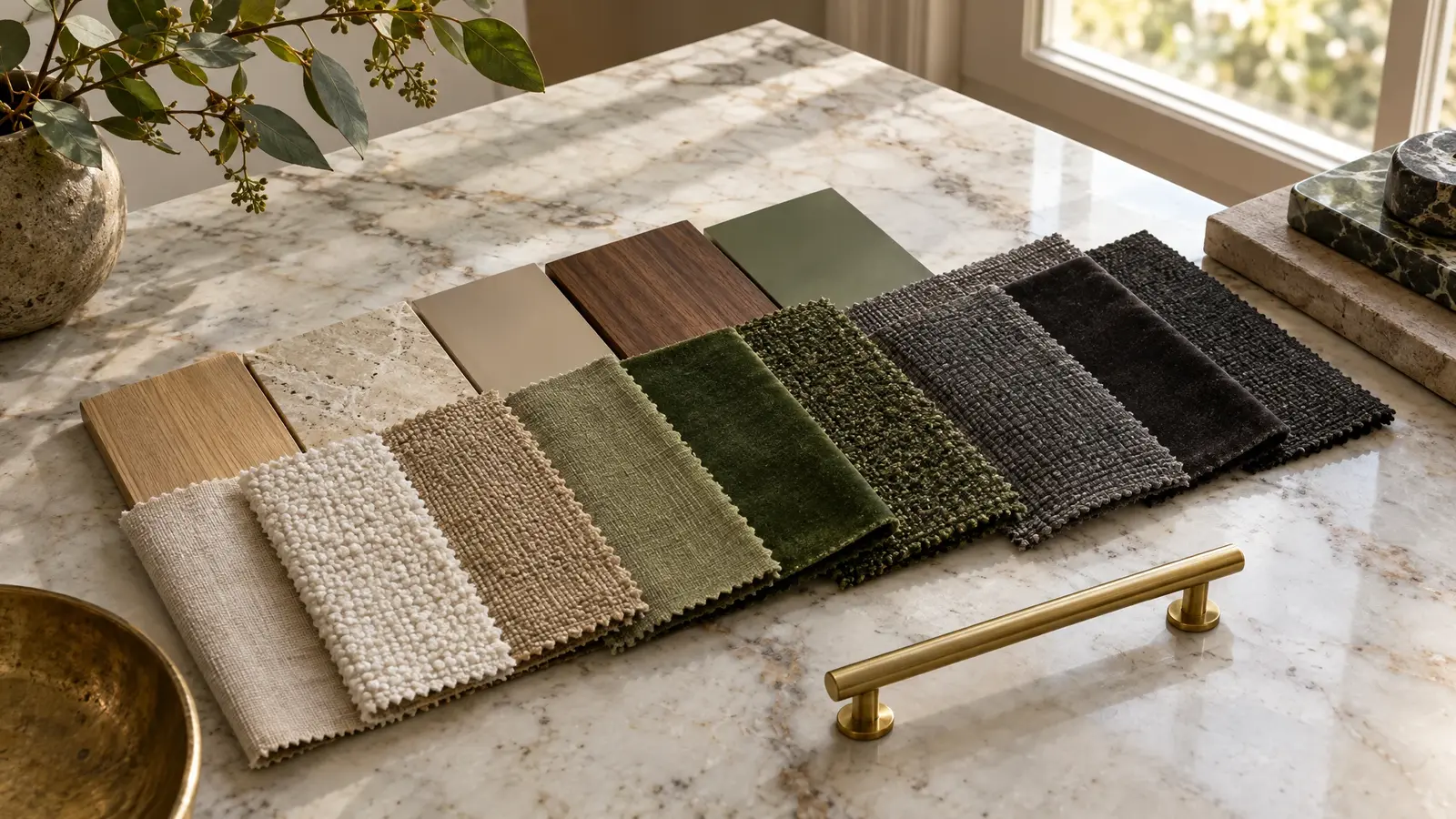
Melamine is the best-value choice and covers most closets. Thermofoil and painted fronts cost more and give a furniture look. Wood veneer and solid wood sit at the top of the range. You can mix materials: for instance, durable melamine inside with veneer on visible fronts.
Remember that you can often get a luxury look at a moderate price by choosing wisely. A durable woodgrain interior with painted or veneer fronts on only the visible faces looks high-end without paying for premium material where nobody looks.
Drawers, doors and hardware add up
Drawers cost more than shelves, and soft-close slides, glass fronts, mirrors and special inserts add to the total. A smart approach is to spend on the pieces you will use and see every day, and keep the rest simple.
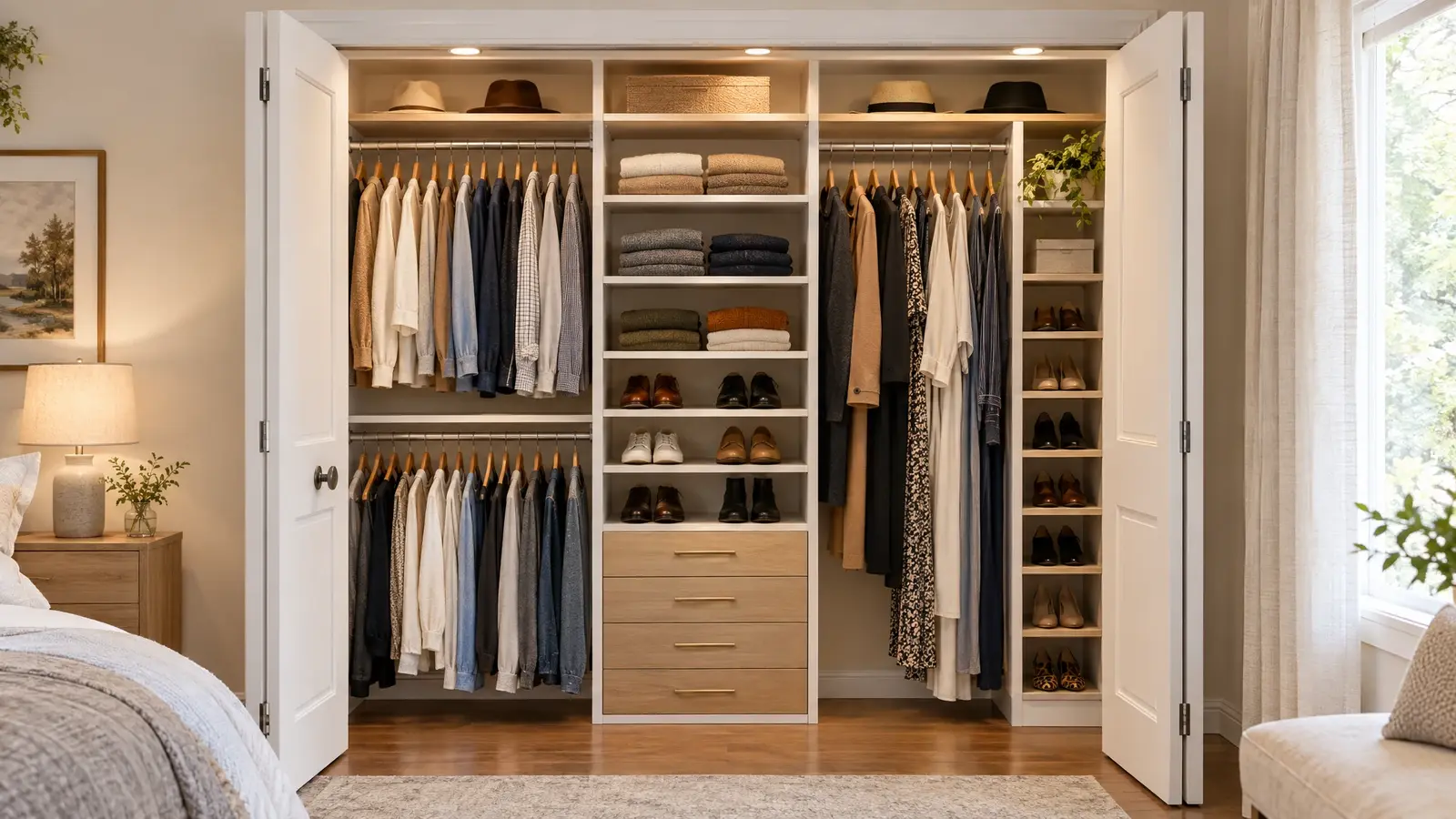
Drawer count is one of the quickest ways to move a budget. If you need more folded storage but have a tight budget, consider two or three well-made drawer stacks rather than drawers in every section, and use shelves with baskets elsewhere.
Extras: where the wow is
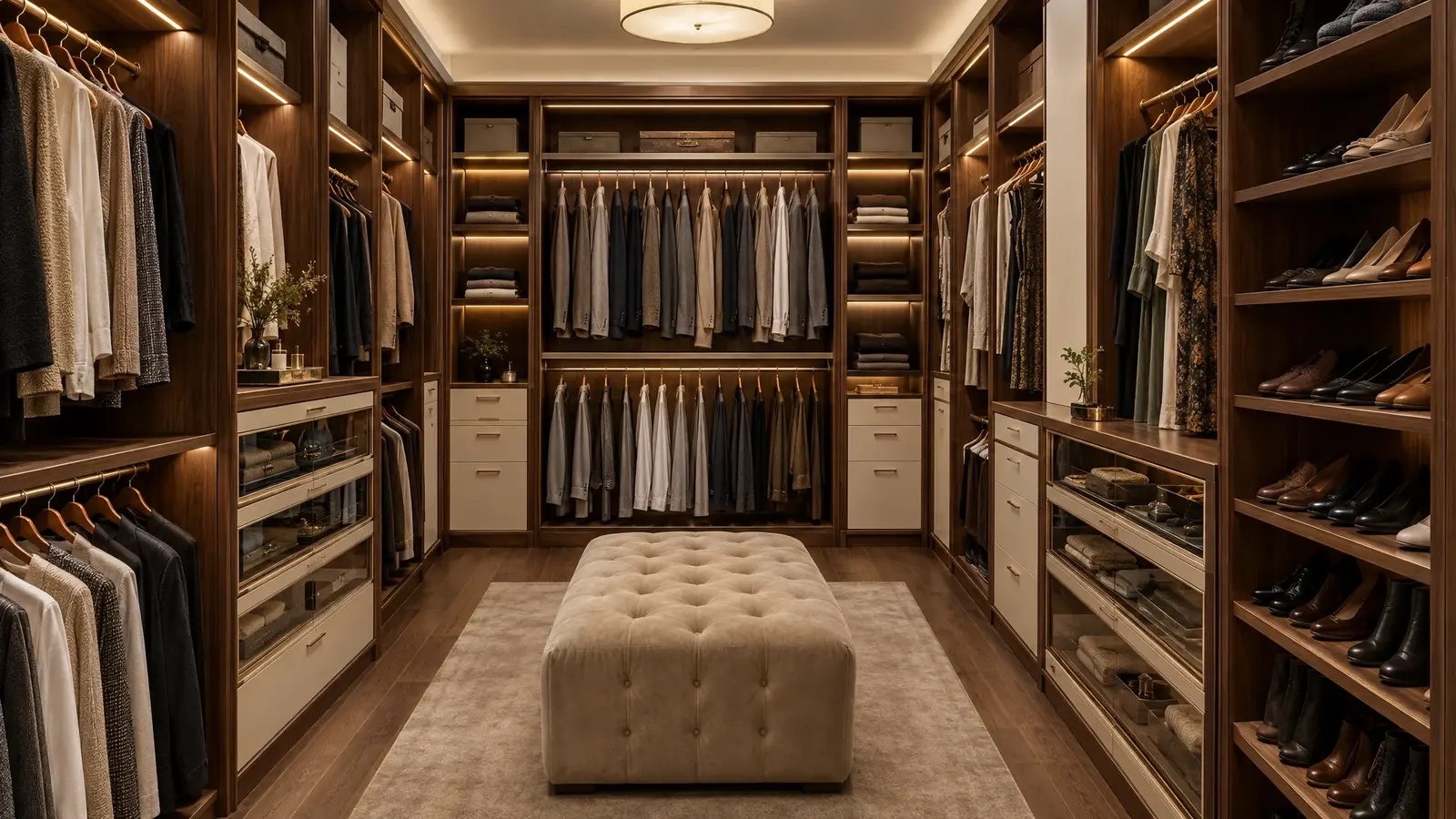
Islands, integrated lighting, motorized rods, stone tops and custom doors are the biggest extras. Lighting is the most cost-effective way to make a closet feel luxurious. An island is the most expensive, and only works if you have the space.
Extras are the best place to phase a project. We can plan for lighting channels, an island footprint or glass-front doors now and add the finishing pieces later, so the closet is ready to grow with your budget.
Installation and site conditions
Installation, removal of old shelving, wall repair, painting and flooring are part of the real cost. Ask what is included, and who handles the extras. A clear scope prevents surprises.
Older homes may need more prep: plaster repair, out-of-level floors or moving a vent. A site visit finds these items early so they appear in the quote, not as surprises on installation day.
How to compare quotes fairly
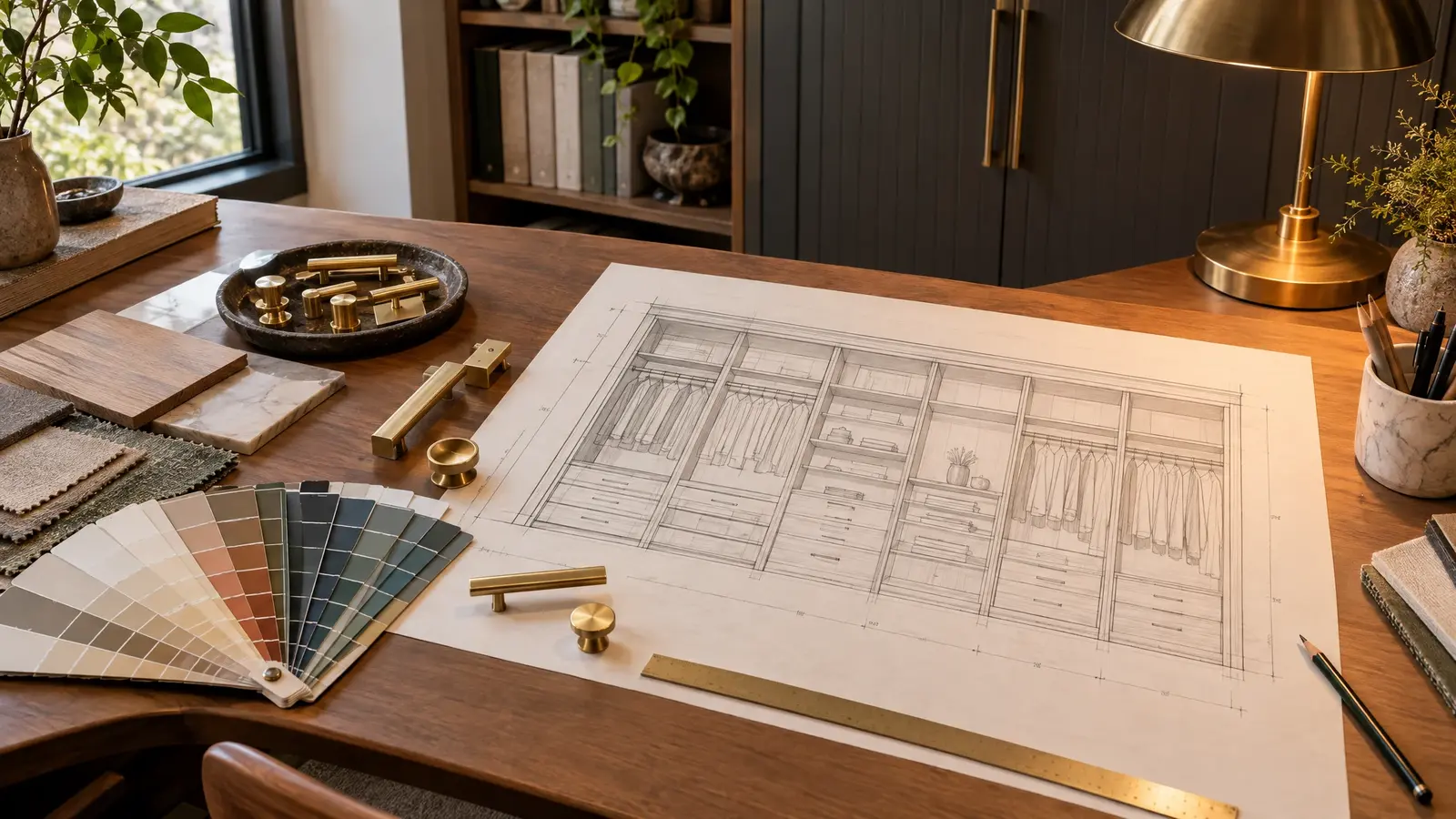
Compare quotes with the same layout, materials, drawer count and extras. Ask for a drawing, not just a number, and ask about warranty, installation and lead time. The cheapest quote is often missing something.
It also helps to compare lead times and warranties side by side. A slightly higher quote with a clear timeline, written warranty and a company that will still be around in five years is usually the better value.
Spend on light, drawers and the surfaces you touch; save on the rest, and always compare quotes with the same scope.